Introduction
RSS Feed serves as a powerful tool for content distribution, allowing you to stay updated with minimal effort. This innovative technology, also known as Really Simple Syndication, simplifies the process of gathering information from various sources. Picture having all your favorite blogs, news sites, and podcasts neatly organized in one place. It’s like having your personalized news hub at your fingertips!
Why You’ll Love RSS Feed
Here are six benefits that make RSS feed a must-have:
- Convenience: Easily access updates from multiple sources without visiting each site individually.
- Real-time updates: Get the latest news and articles as soon as they are published.
- Customization: Tailor your feed to include only the topics that interest you.
- Content syndication: Share content seamlessly across platforms.
- Enhanced productivity: Save time and focus on what matters most.
- Supports various formats: Enjoy articles, videos, and podcasts all in one feed.
With its flexibility, the RSS feed is suitable for anyone, making it an essential tool in the Web feed landscape!
Step-by-Step Cooking Guide
- Step 1: Choose your favorite RSS feed reader to start subscribing to feeds.
- Step 2: Search for websites that offer RSS feeds and copy their feed URLs.
- Step 3: Paste the URLs into your feed reader to add them.
- Step 4: Organize your feeds into categories for easy access.
- Step 5: Explore your feed to discover fresh content tailored to your interests.
- Step 6: Regularly update your subscriptions to keep your feed relevant.
By following these simple steps, you can master how to use RSS feeds and enjoy a streamlined content consumption experience!

Ingredient Breakdown
To effectively utilize an RSS feed, consider these key components:
- Feed URL: The link that directs to the RSS feed.
- Title: The name of the feed or the content it represents.
- Description: A brief overview of what the feed contains.
- Items: The individual articles or updates included in the feed.
Understanding these elements is crucial as they fall under the Content syndication category, enabling you to maximize your use of RSS.
Best Ways to Serve & Top
When it comes to utilizing your RSS feed, here are a few serving ideas:
- Organize by categories: Create sections for news, blogs, and podcasts to enhance accessibility.
- Integrate with other tools: Use applications like IFTTT or Zapier for automated sharing of content.
- Share with friends: Encourage others to explore RSS feeds by sharing your curated lists.
These practices will not only improve your experience but also showcase the benefits of RSS feeds to others!

Storage & Reheat Tips
Once you’ve set up your RSS feed, maintaining it is vital. Remember to regularly check for broken links and remove any outdated subscriptions. This will help keep your feed clean and efficient, ensuring you always have access to fresh content.
Utilizing an RSS feed for meal prep can also streamline your information gathering process. It allows you to plan your meals based on the latest recipes and food trends shared across your favorite culinary blogs.
Pro Chef Advice
As you explore the world of RSS feeds, remember to be patient. It may take some time to curate the perfect feed that matches your interests. Also, consider exploring different reader options to find one that suits your style best. Experimenting with various methods can enhance your content consumption experience!
Frequently Asked Questions About RSS Feed
Can I substitute beef in RSS Feed?
While beef isn’t a direct component of an RSS feed, you can certainly choose to follow feeds that focus on alternative diets, such as vegetarian or vegan options. Exploring diverse feeds allows you to find recipes and content that align with your dietary preferences!
How long does RSS Feed last in the fridge?
An RSS feed doesn’t expire like food, but the relevance of its content can diminish over time. Regularly refreshing your subscriptions ensures you always receive the best and most current information!
Is RSS Feed kid-friendly?
Yes! An RSS feed can be tailored to include kid-friendly content. By subscribing to feeds that focus on children’s educational materials, fun activities, or family-friendly recipes, you can create a feed that caters to your children’s interests!
Creative Variations
Explore different styles of RSS feeds and their applications:
- News aggregator: Combine feeds from various news sources for a comprehensive overview.
- Blog feed: Follow your favorite bloggers to stay updated on their latest posts.
- Podcast feed: Subscribe to your favorite podcasts for automatic updates.
These creative variations highlight the versatility of RSS feeds across multiple Cuisine types and interests.
For more information on how to effectively use RSS feeds, check out this last recipes page. You can also explore creamy potato soup for delicious ideas that can be found through RSS feeds. Additionally, learn about gingerbread cookies that can inspire your culinary adventures!
Print
RSS Feeds: 5 Powerful Benefits You Need to Know
- Total Time: 1 hour
- Yield: 12 servings 1x
- Diet: Vegetarian
Description
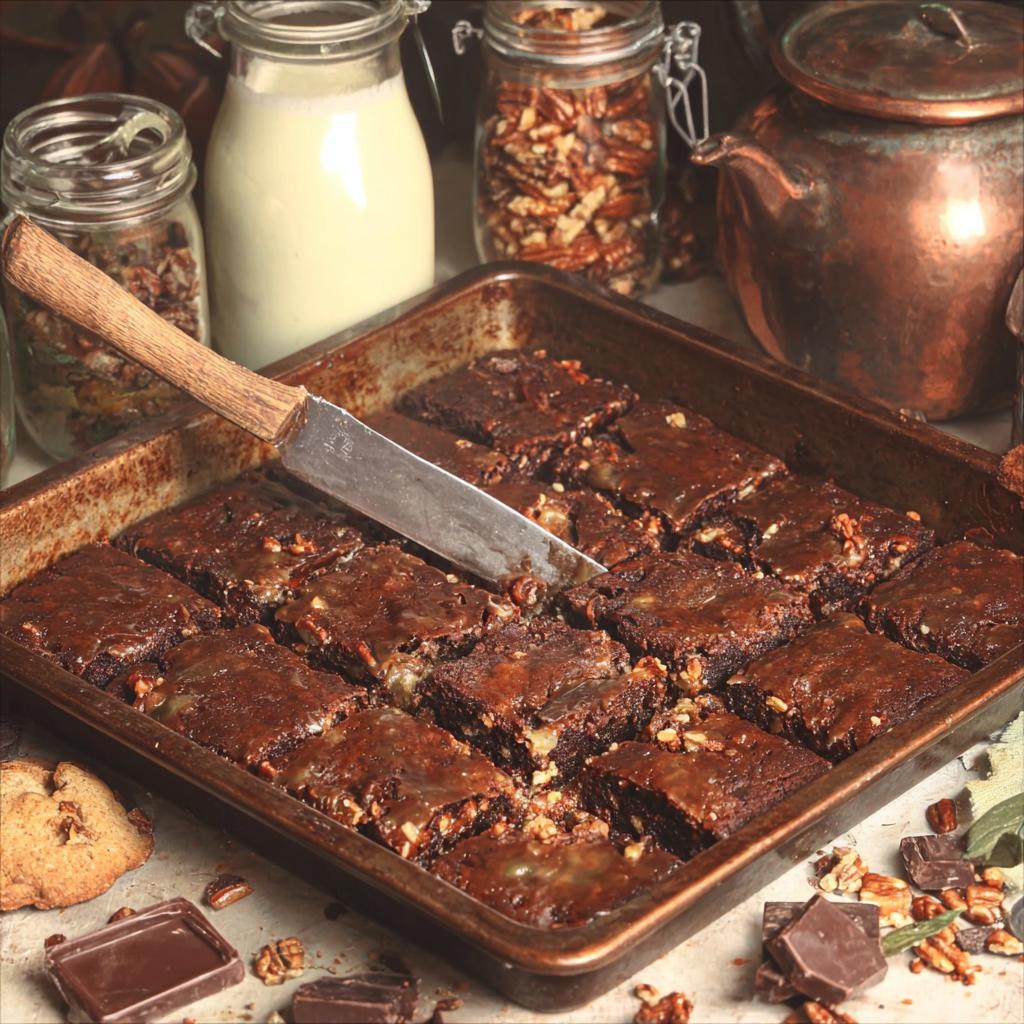
A crowd-pleaser Texas Sheet Cake: ultra soft and moist, not too sweet, covered in a delicious nutty frosting, and made in under an hour!
Ingredients
- 2 cups all-purpose flour (260g)
- 3/4 cup granulated sugar (150g)
- 3/4 cup light brown sugar, packed (150g)
- 1 teaspoon baking soda
- 1 teaspoon salt
- 3/4 cup unsalted butter, cubed (170g)
- 3 tbsp vegetable oil (40g)
- 1/3 cup Dutch processed cocoa powder (35g)
- 1 cup water (240g)
- 2 large eggs
- ½ cup buttermilk (120g)
- 1 teaspoon vanilla extract
- 10 tablespoons unsalted butter (140g)
- 4 tablespoons cocoa powder (25g)
- 1/3 cup milk (80g)
- ½ teaspoon salt
- 2 2/3 cups powdered sugar (about 260g)
- 1 cup chopped, toasted pecans (120g)
- Optional: flakey sea salt to garnish
Instructions
- Pre-heat your oven to 350F and line a 13×18″ half sheet pan with parchment paper on the bottom
- Add the flour, granulated sugar, brown sugar, baking soda and salt to a large bowl. Whisk to combine and remove any lumps
- Separately, add the butter, oil, cocoa powder and water to a saucepan. Place it on the stove on medium low heat. Cook and stir until the butter melts and a smooth sauce forms. Bring it to a simmer, and cook for another 1 minute. Then remove from the heat
- Pour the hot cocoa mixture on top of the dry ingredients. Use a hand whisk to mix until combined. This will be a thick, slightly grainy batter – don’t overmix
- Add the eggs, buttermilk and vanilla. Whisk slowly and gently until a smooth chocolate cake batter forms. Do not overmix
- Pour the batter into the prepared sheet pan. Bake for just 10-12 minutes or until a toothpick inserted in the middle of the cake comes out with light, moist crumbs (no wet batter). Avoid overbaking
- Remove the cake from the oven and let it cool down
- Toast the pecans in the pre-heated 350F oven for ~8 minutes or until crunchy and fragrant
- Add the butter, cocoa powder, milk, salt and powdered sugar to a saucepan. Whisk and cook on medium low heat until the butter melts and a smooth sauce forms. Remove from heat, and stir in the pecans
- Pour the frosting on top of the cake in the sheet pan and spread it out
- Let the cake rest for 1-2 hours at room temperature until it forms a shiny film on top. Optionally, sprinkle over flakey sea salt. Slice, serve and enjoy!
Notes
- Prep Time: 20 minutes
- Cook Time: 12 minutes
- Category: Dessert
- Method: Baking
- Cuisine: American
Nutrition
- Serving Size: 1 slice
- Calories: 350
- Sugar: 30g
- Sodium: 200mg
- Fat: 15g
- Saturated Fat: 8g
- Unsaturated Fat: 5g
- Trans Fat: 0g
- Carbohydrates: 50g
- Fiber: 2g
- Protein: 4g
- Cholesterol: 60mg
Keywords: Texas Sheet Cake, dessert, baking